Helping Nepal Flood Victims
 31/08/2026 - 31/08/2026
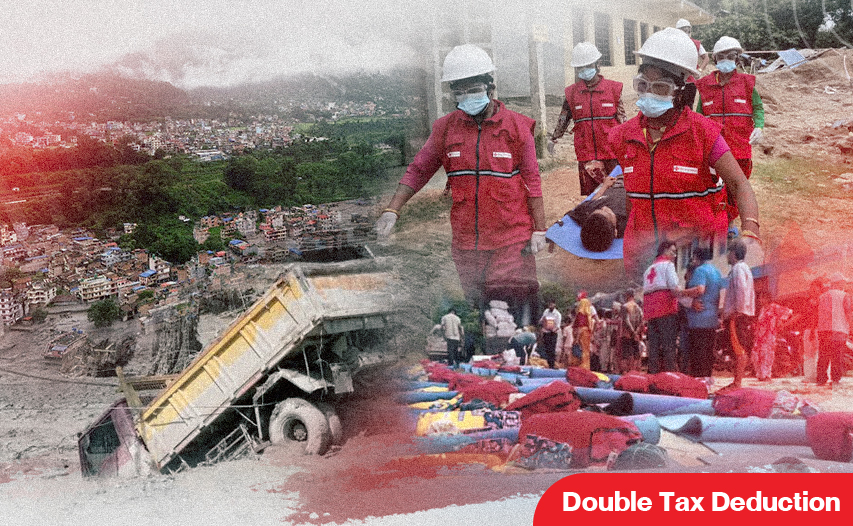


On August 26, 2026, a major natural
disaster struck suddenly when a massive glacier collapsed in the Himalayan
mountain range. Enormous volumes of snow, mud, and rock cascaded down, blocking
a waterway on the Tibetan side and forming a temporary barrier lake that
eventually burst. Torrential waters surged at exceptionally high speeds into
the Lhende Khola, Bhote Koshi, and Trishuli rivers on the Nepal side, causing
the water level of the Trishuli River to rise by as much as 9 meters within
just 30 minutes.
The fierce currents swept away homes
and structures across wide areas in Rasuwa and Nuwakot districts, as well as
the key border crossing at Gyirong. Nineteen river bridges were destroyed, and
over 43 kilometers of highways were cut off, making relief transport into the
affected areas extremely difficult.
Currently, nearly 400 fatalities
have been reported in the area, with nearly 1,500 people still missing
(including both local residents and foreign tourists). Tens of thousands of
people have been left homeless, facing severe shortages of food, clean drinking
water, medicine, and warm clothing to survive in the freezing weather
conditions.
Thai Red Cross Society extends its
deepest condolences for the devastating losses caused by this catastrophe and
honors the memory of those who lost their lives and loved ones. We invite you
to join us in sharing kindness and providing assistance to the victims of this
massive flash flood and landslide crisis along the Nepal–Tibet border through
our partners in the International Red Cross and Red Crescent Movement (IFRC).
The IFRC aims to assist 28,000 people and requires 18 million Swiss Francs
(CHF) in funding to support emergency response operations and help affected
populations.
Information as of August 28, 2026
References
/ Source: https://www.reuters.com/business/environment/what-triggered-catastrophic-flood-nepal-tibet-border-2026-08-26/
 527
527
 0 day
0 day